Electric Charging Infrastructure: A Comprehensive Guide for Non-Native Speakers
Understanding the Language of Green Mobility
In today’s rapidly evolving green mobility landscape, understanding the terminology associated with electric charging infrastructure is crucial. Whether you are a business owner looking to expand your services or an individual eager to learn more about eco-friendly transportation options, mastering these terms can significantly enhance your knowledge and engagement in this field.
Let’s delve into some key concepts that every non-native speaker should be familiar with:
- Electric Vehicle (EV): An electric vehicle is any car or truck powered by an electric motor. This term encompasses both battery-electric vehicles and plug-in hybrid electric vehicles.
- Fast Charging: Also known as rapid charging, this refers to the process of quickly recharging a vehicle’s battery from a high-power charger in a short period.
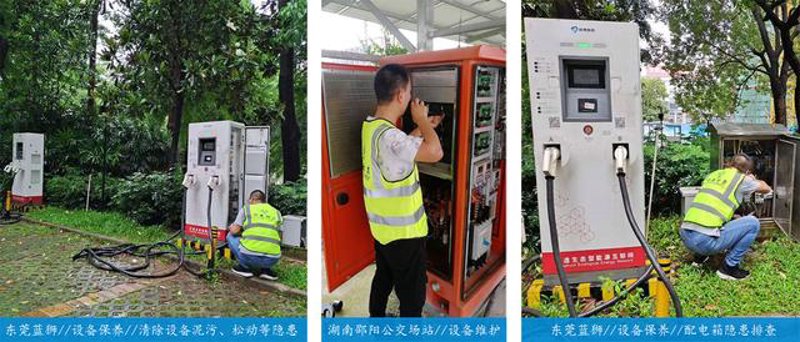
- Charging Station: A place where an electric vehicle can be plugged into an electrical source for charging. These stations can vary widely by their power output and design.
- Level 1 Charging: This is the slowest type of charging, typically using a standard household socket with a maximum current of 2.5 amps or 120 volts. It’s suitable for overnight charging but not ideal for daily use.
- Level 2 Charging: Faster than Level 1, this uses a dedicated charging outlet (240 volts) and can charge an electric vehicle in several hours. This is more common in public areas like parking garages or shopping centers.
- DC Fast Charging (DCFC): Also known as DC Rapid Charging, it’s the fastest way to recharge EVs using direct current. These chargers are often found at high-speed charging stations along highways and can significantly reduce charging times compared to Level 1 or Level 2 chargers.
By familiarizing yourself with these terms and concepts, you will be better equipped to navigate the world of electric vehicles and their supporting infrastructure. Whether you’re looking to invest in new technology or simply want to stay informed about the latest trends, understanding the language of green mobility is essential.
In conclusion, mastering the terminology related to charging infrastructure is a stepping stone towards becoming a knowledgeable participant in the green mobility revolution. Embrace these terms and continue exploring the endless possibilities that electric vehicles offer for a cleaner, more sustainable future.