Understanding Charging Facilities Terminology: A Guide for Non-Native Speakers
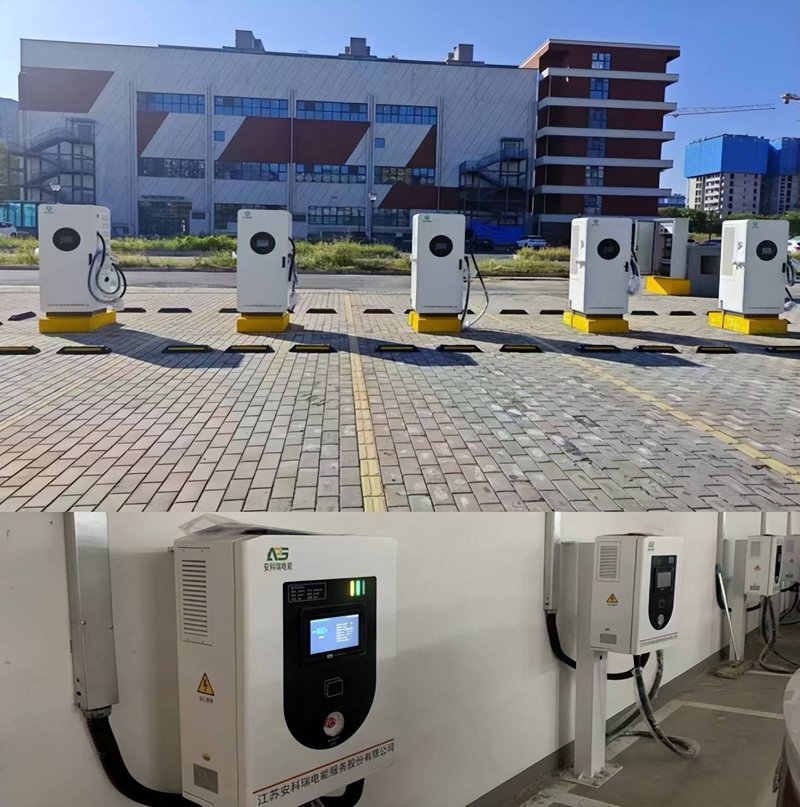
在探索新能源汽车的未来时,了解相关的专业术语变得尤为重要。特别是在国际交流和合作中,充电设施的英文表达更是不可或缺的知识点。本文将通过多个实际案例,帮助读者更好地理解这些词汇。
1. Charging Station vs. Charging Point
A charging station, also known as a charging point, refers to the general location where electric vehicles (EVs) can be charged. It is often used in a broader context, such as public parking lots or residential areas.
A charger, on the other hand, specifically refers to the equipment that provides electricity to charge the vehicle's battery. This term is more technical and is commonly found in user manuals or maintenance documents.
2. Fast Charging vs. Slow Charging
A fast charger typically refers to chargers that can significantly reduce the charging time, such as those used at public stations. These are essential for users who need quick recharges during their daily commutes.
In contrast, a slow charger generally takes longer to charge an EV but is more commonly found in residential settings or workplaces. Slow chargers provide convenience and cost-effectiveness for everyday use.
3. Level 1 Charging vs. Level 2 Charging
A Level 1 charger operates at a lower voltage, typically 120 volts, and is suitable for home charging or use in areas with limited electrical capacity.
A Level 2 charger, operating at 240 volts, provides faster charging times and is commonly found in public locations such as shopping centers or workplaces. This type of charger is more powerful and can significantly reduce the time required to recharge an EV.
4. DC Charging vs. AC Charging
A DC charging port, also known as a direct current charging port, delivers power directly to the vehicle's battery and is typically used for fast chargers.
An AC charging port, or alternating current port, converts household electricity into DC before delivering it to the vehicle. AC chargers are more common in home settings due to their lower power requirement.
通过上述案例,我们可以看到充电设施的英文表达虽然看似复杂,但只要掌握了基本概念和应用场景,就能够轻松应对日常交流。无论是新手还是专业人士,在面对新能源汽车相关词汇时都能更加从容不迫。